
What a lovely time of year to be writing about irises. https://artofstonegardening.com/perennial-and-shrub-gardens While not harbingers of spring, their colors and beauty represent their namesake, Iris, the Greek goddess of the rainbow. Irises come in a rainbow of colors and appear in breathtaking forms. With spring on the very near horizon and growing season behind it, let’s talk about irises!
The iris is a sturdy and attractive perennial that can thrive is a variety of settings. Generally, it is a sun lover, preferring six to eight hours of full sun each day, but some varieties can also be happy in partial shade. They bring bright color, interesting texture and shape to the landscape.
In the family Iridaceae, some iris varieties grow from bulbs, but those discussed here are a rhizomaceous, which means they populate by sending out rootstalks horizontally across the soil. The shoots rise from nodes that grow upwards to produce leaves and flowers.
The showy structure of the iris bloom is made up of three petals, called standards, that grow upwards and three modified leaves called falls. The color and design of the flower is very attractive to pollinators. The sword-shaped leaves, bold and attractive, grow from the stem tubers.
Irises are one of my many favorite flowers. With so many varieties, there is an Iris for almost any garden. Here is a selection that grow well here in Northeast Georgia:
Bearded or German iris, Iris germanica – The largest bloomer of the iris family is the bearded iris. It likes hot, sunny spots that are well drained. This variety will not bloom unless it has lots of sunshine and the roots are exposed to the sunlight. Deadheading encourages new blossoms.


Siberian Iris, Iris siberica – This beardless iris, meaning the flowers lack the fuzzy filaments on their falls, may be planted in partial shade. Siberian irises do not need to be deadheaded during the growing season. Their foliage turns an attractive yellow in the fall.

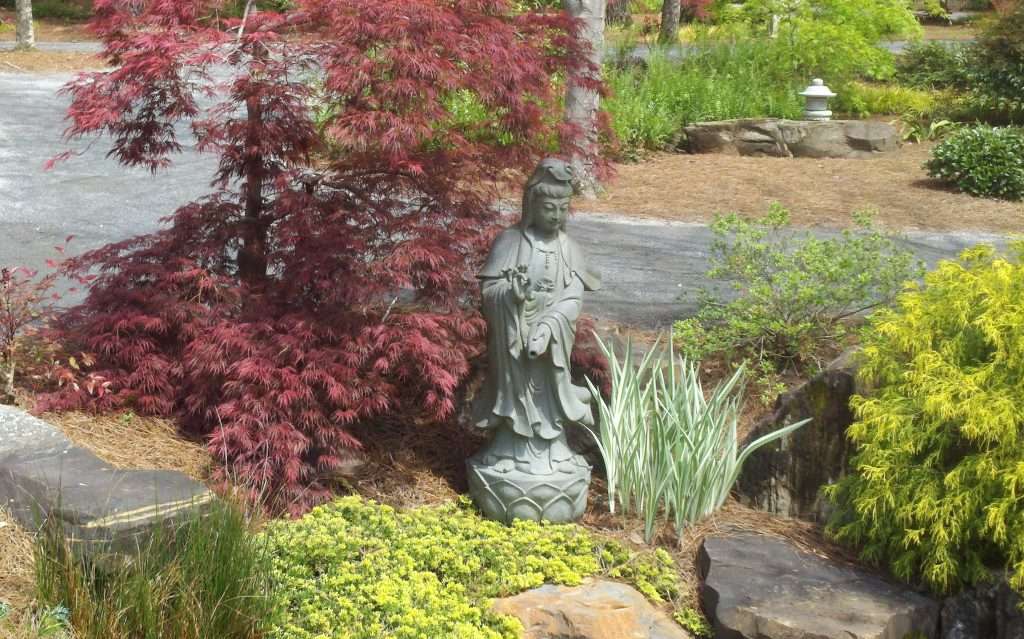
Variegated iris, Iris pallida ‘Variegata’ -The Variegata iris likes full sun but can also thrive in part shade. It needs to be planted in medium moist, well drained soil. It is a good choice for border planting, and as with most irises, it is deer tolerant.

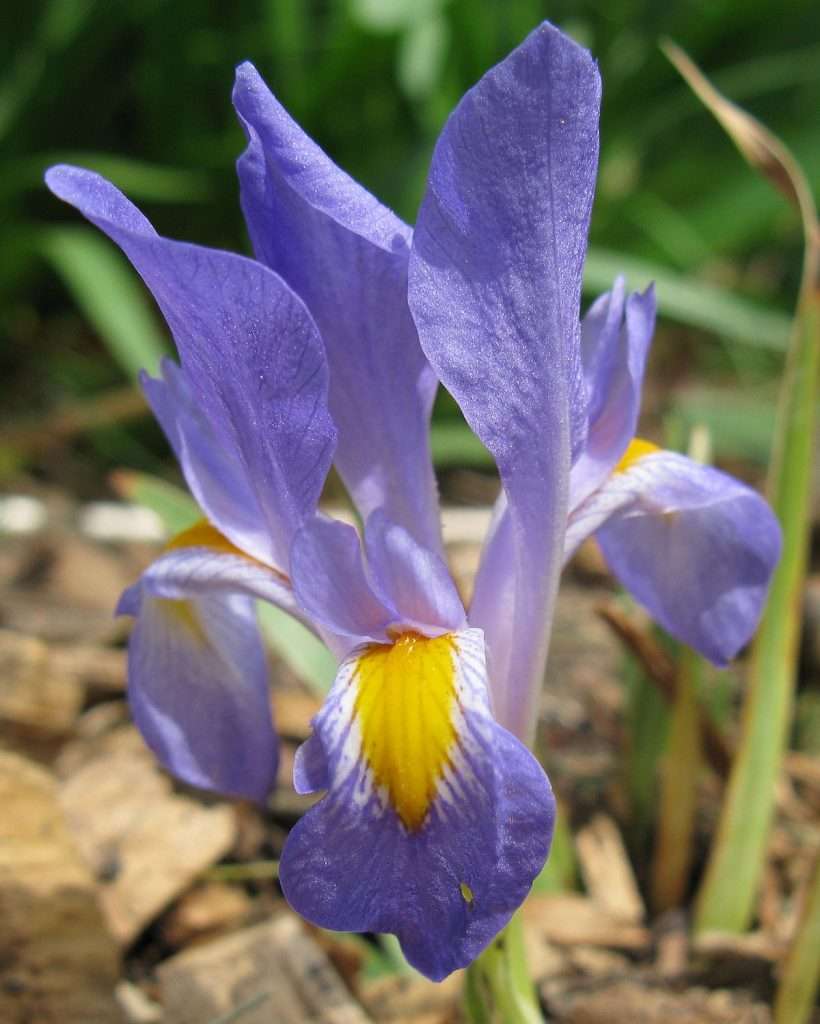
Native iris, Iris verna -This diminutive joy is native to the eastern United States. In its native environments, it most often occurs in nutrient-poor acidic soils of open to semi-shaded woodlands. (taken from this website: https://plants.ces.ncsu.edu/plants/iris-verna/) It is strongly scented and as with domesticated varieties, it appears in colonies.
Yellow Flag Iris, Iris pseudacorus – This is an invasive Iris – DO NOT PLANT. While many varieties of iris are not native to the United States, most do not pose an invasive threat. Yellow flag iris is an exception. It is listed on the invasive species list. Once planted, it takes off and is very hard to contain.

Planted in late summer and early fall, irises bloom from spring through summer. As you enjoy their coming blooms consider planting them in your landscape. Let us know if we can help you with that. Until then, happy spring!
Resources:
Enjoy this article from Almanac.com for an overview of types, planting and dividing irises. https://www.almanac.com/plant/irises
A more detailed overview can be found at this University of Connecticut site: https://homegarden.cahnr.uconn.edu/factsheets/iris/
If you need details on specific varieties, go to the Missouri Botanical Garden website. This link is for the Iris pallida:
https://www.missouribotanicalgarden.org/PlantFinder/PlantFinderDetails.aspx?kempercode=a795
